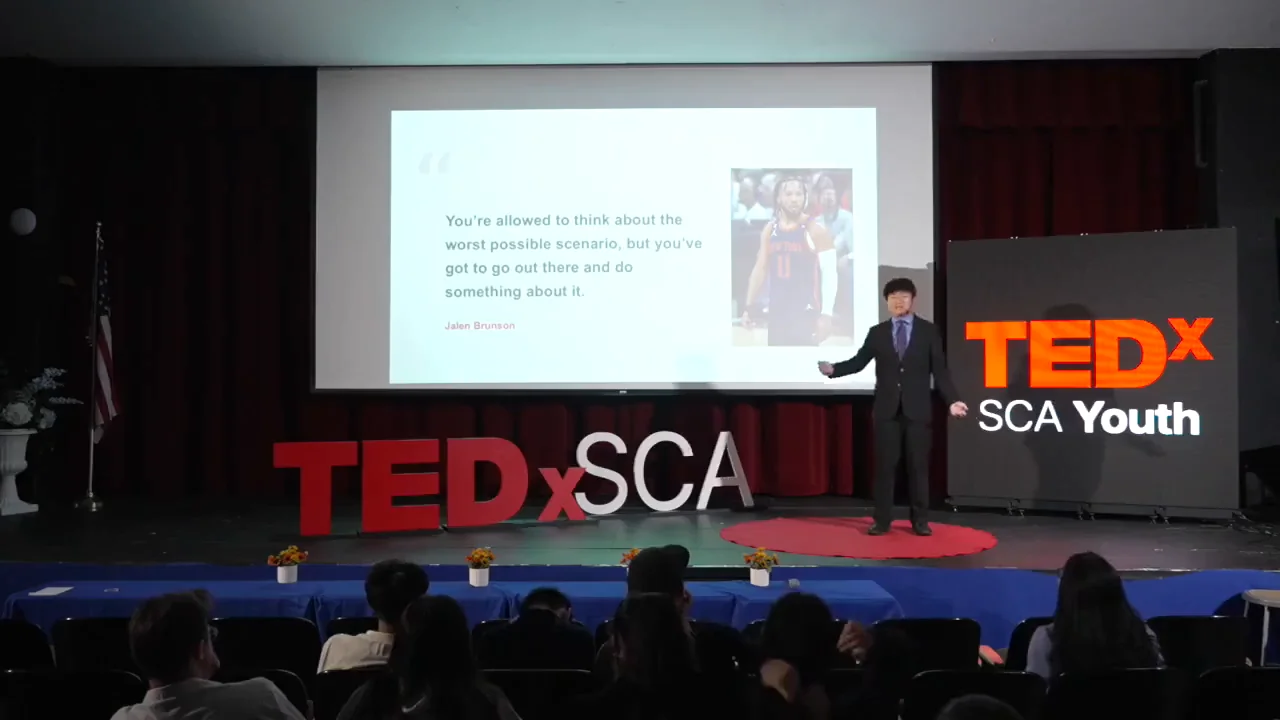
I used to wait until I was sure before I went first. In ninth grade I put a price on something I had made for the first time: $2 a month for a trip planner. More than ten people paid for it, and I still don’t fully know what made the first one decide. That question is behind everything on this page.
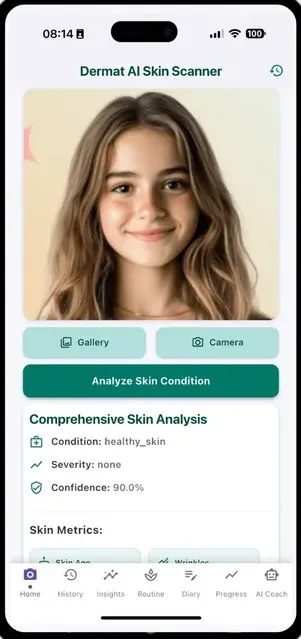
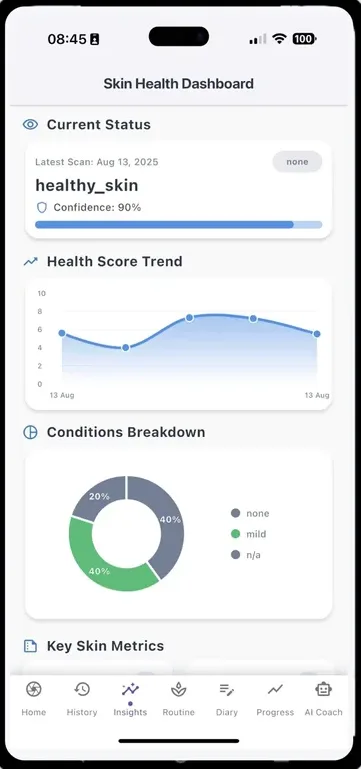
Every product here is a different promise to a stranger. Dermat AI costs nothing, so every answer says it is not a diagnosis. SoundSplit charges by the minute, because every minute costs me money and under a subscription the heaviest users would cost more than they paid. Our tutoring charges $37 a session, half the going rate, and families pay for a result. Crave Deals takes a commission only on diners we actually bring in, so a restaurant we bring no one to owes us nothing. The numbers under each one are whether I kept the promise.
Economics, as I have met it so far, studies what happens after millions of people have decided: months of FOMC press conferences at the Economics Challenge, a Chipotle case at Wharton. I want to study the first decision, the one a person makes before there is any data. My products gave me the questions. I don’t yet have the tools.
What I won’t do: hide a number because it is small, charge a restaurant for diners we didn’t bring, or let someone who paid nothing mistake an answer for a diagnosis. Zero restaurants have signed with Crave Deals so far. That is on this page too.
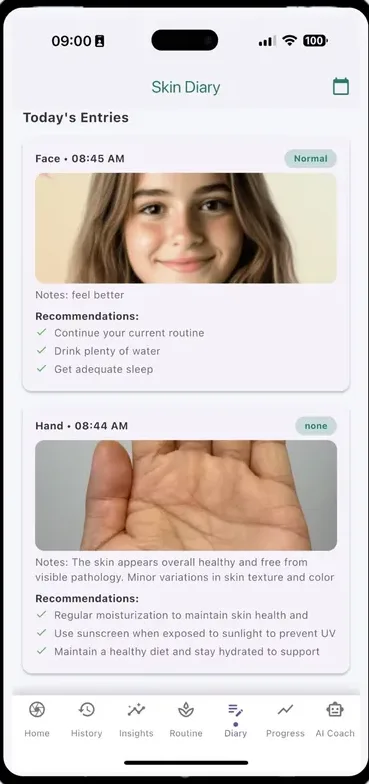
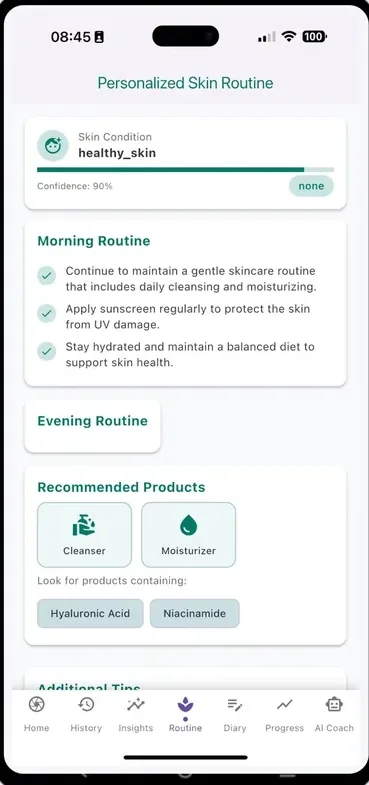
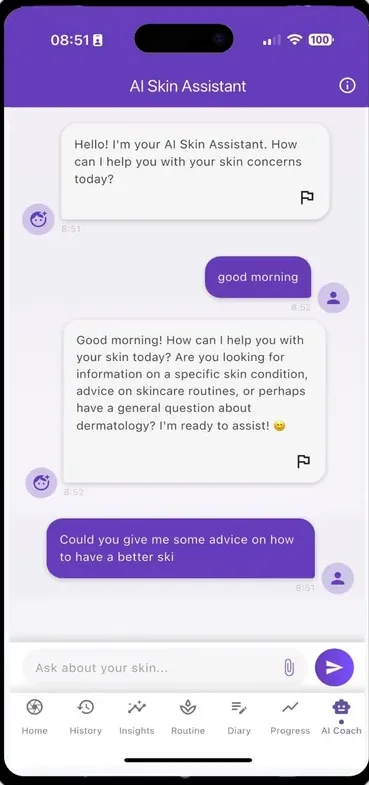
 Emerging Standout Award, DFW IT Talent Champion, September 2025. Entered on my own.
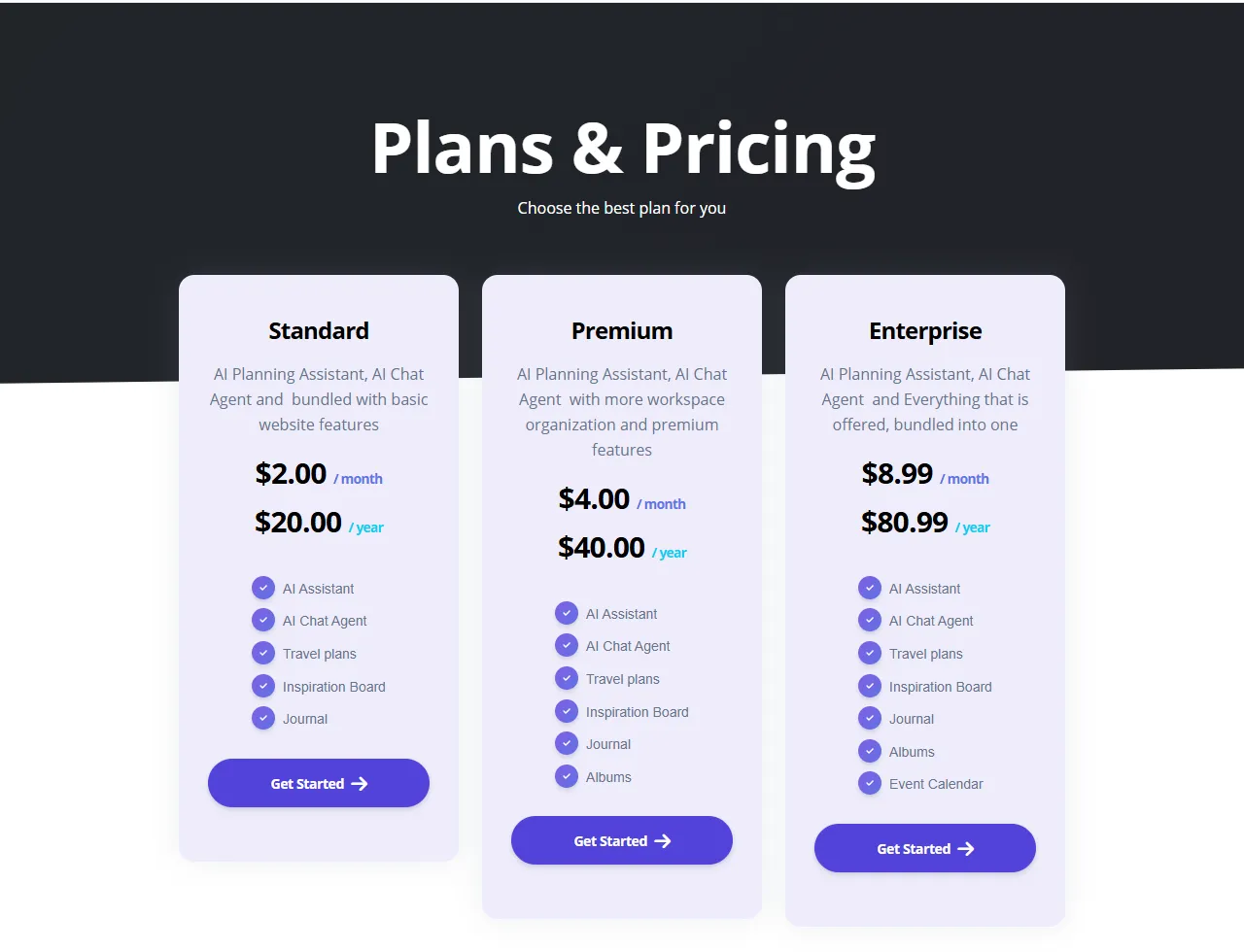 holidayhelperai.com/pricing, October 2026.
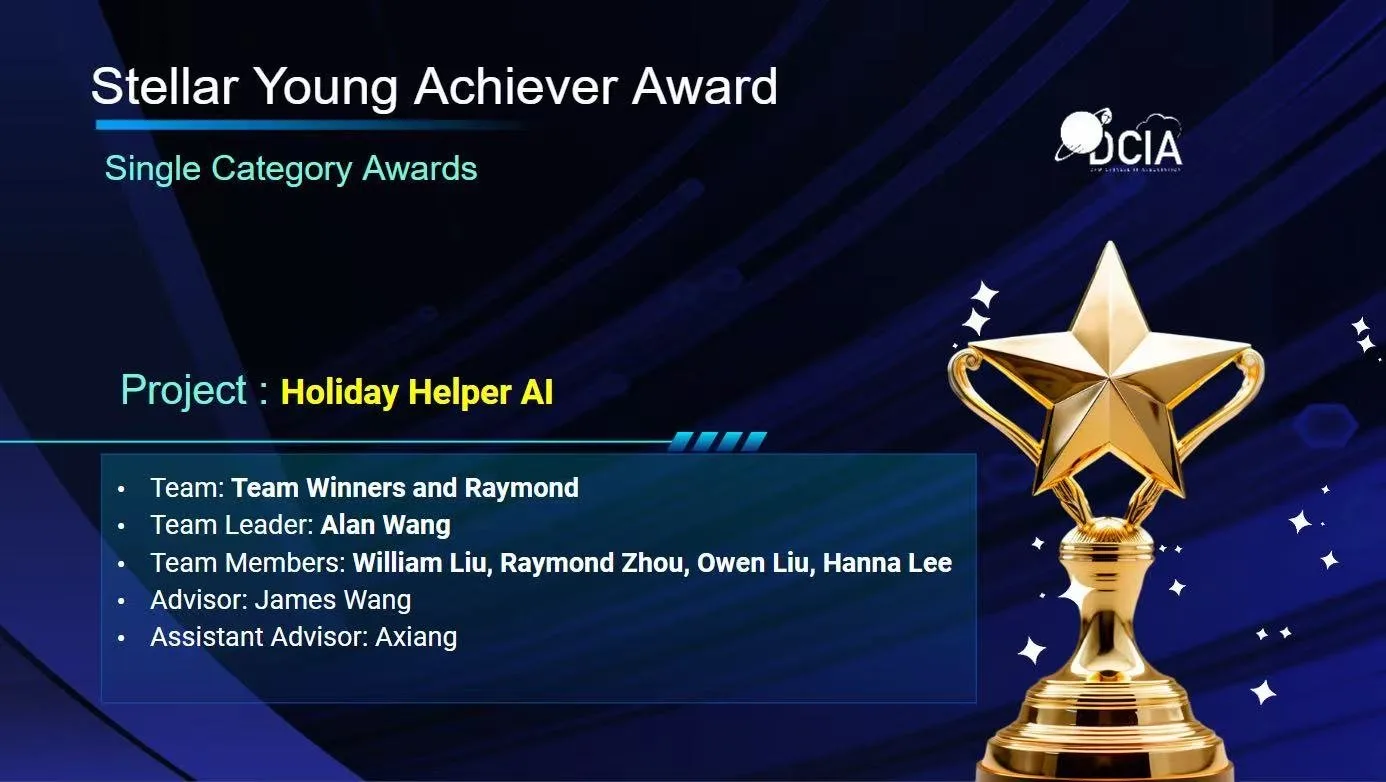 Stellar Young Achiever Award, DCIA, 2023–24.
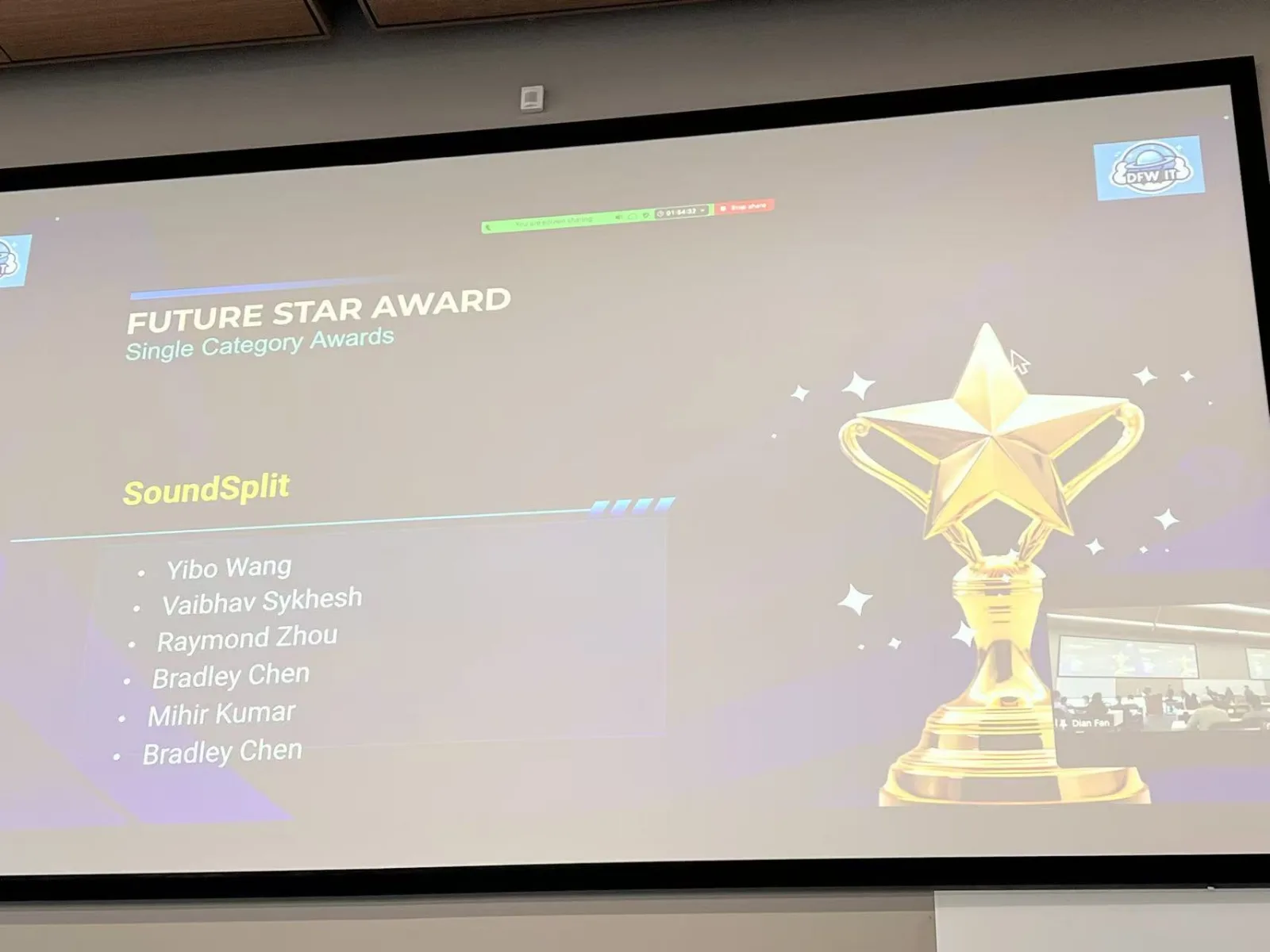 Future Star Award, DFW IT Association, 2024–25.
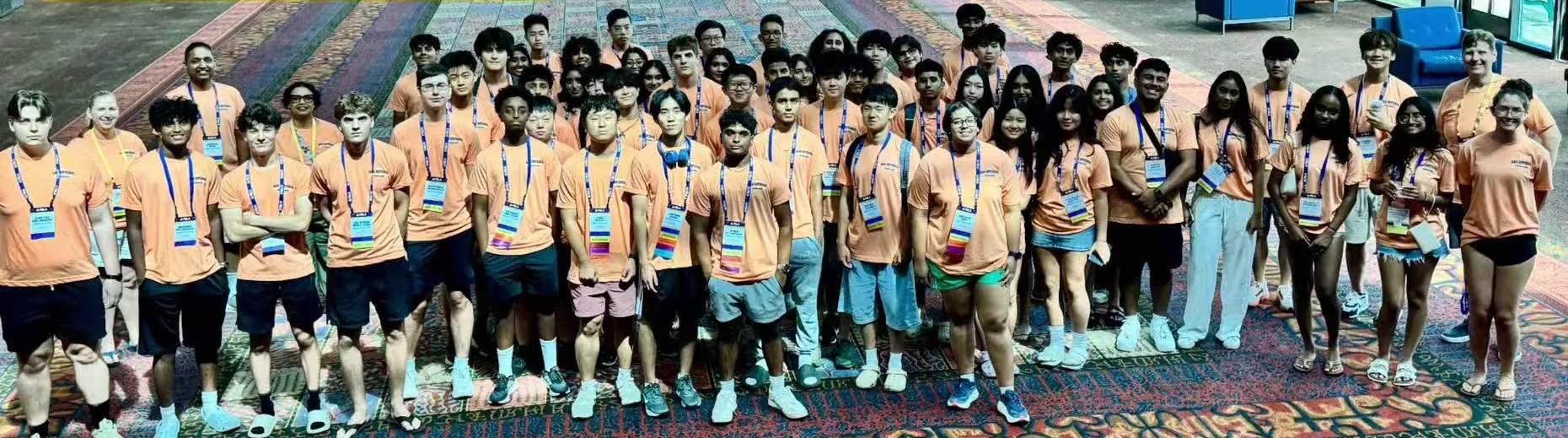
 FBLA nationals, 2025, where the plan placed 3rd. I am on the right.